5 , May
The booming global in vitro diagnostics (IVD) industry has raised higher standards for high-precision, cleanroom-grade and compliance-based production of IVD disposable consumables. In 2026, professional global exhibitions will fully focus on IVD core consumable precision molds, micro-nano injection molding, clean manufacturing and biocompatible medical materials, becoming core platforms for mold and injection molding enterprises to grasp market trends, upgrade technologies and expand domestic and overseas customers.
Core 2026 Global Professional IVD-focused Exhibitions
CACLP | Mar 21–23, Xiamen, China The world’s top IVD full-industry-chain exhibition, focusing on IVD dedicated multi-cavity precision molds, injection-molded consumables (pipette tips, 96-well plates, reaction cuvettes) and medical raw materials, ideal for connecting domestic end IVD manufacturers.
MedtecLIVE Stuttgart | May 05–07, Stuttgart, Germany Europe’s core medical precision manufacturing event, focusing on ultra-precision molds for microfluidic chips and thin-wall IVD consumable micro-injection molding, supporting EU market expansion and compliance adaptation.
ADLM | Jul 26–30, Anaheim, USA Global top clinical diagnostics expo, featuring FDA-compliant IVD injection molding processes, durable dedicated molds and standardized lab consumables for North American business layout.
Medtec China | Sep 01–03, Shanghai, China Leading domestic medical manufacturing exhibition, showcasing IVD micro-precision molds, cleanroom injection molding equipment and automated integrated production lines for compliant mass production and yield optimization.
Core Industry Development Trends
1. Intelligent & Automated Production: Intelligent customized injection machines and unmanned production lines become mainstream, meeting strict requirements for batch consistency and high-efficiency mass production of IVD consumables.
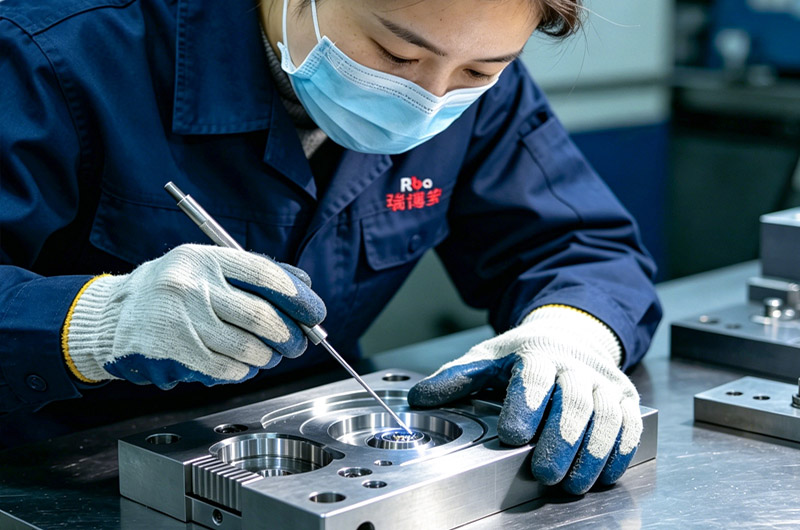
2. Micro & High-precision Mold Upgrading: Miniaturized, thin-wall and microfluidic IVD products drive the iteration of micro-nano high-precision, corrosion-resistant and long-life dedicated molds.
3. Green & Compliance Manufacturing: Biocompatible and eco-friendly medical materials and low-pollution clean molding processes have become the essential threshold for global high-end order cooperation.
Industry Key Takeaways
IVD mold and injection molding enterprises need to focus on precision mold R&D and injection process optimization, adapt to miniaturization and compliance trends, and provide one-stop customized solutions to seize global high-quality IVD market opportunities in 2026.