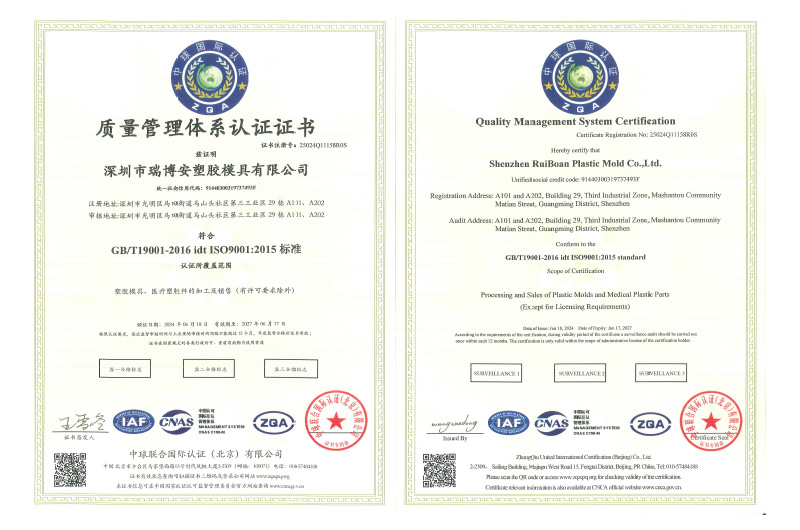
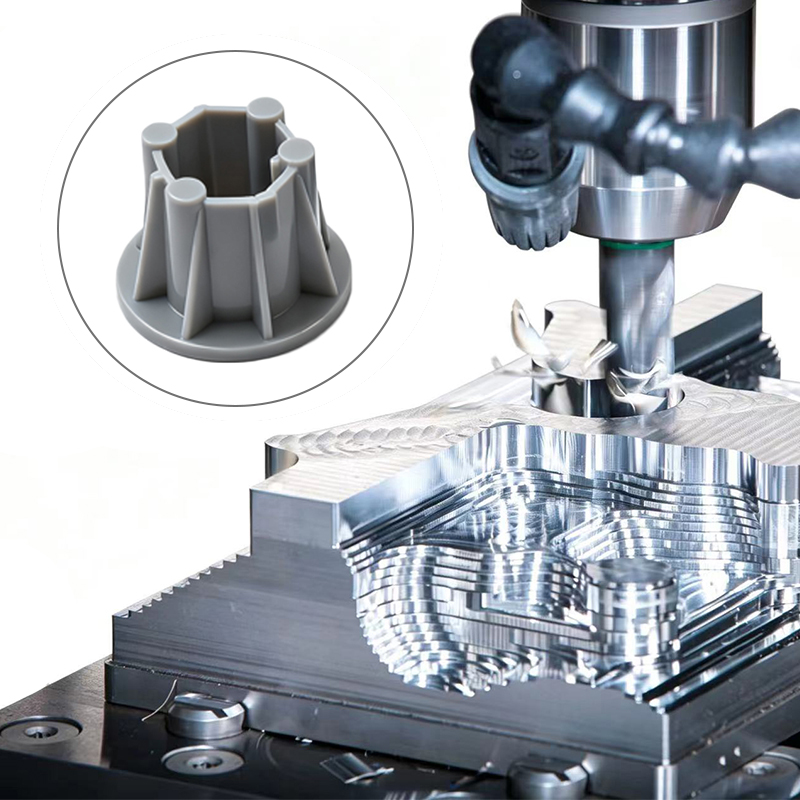
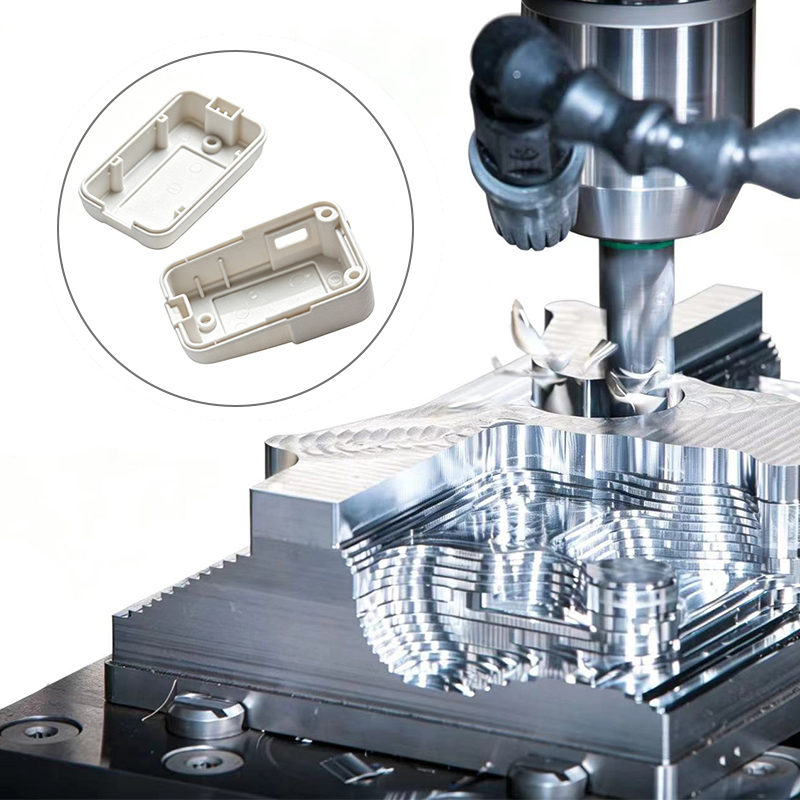
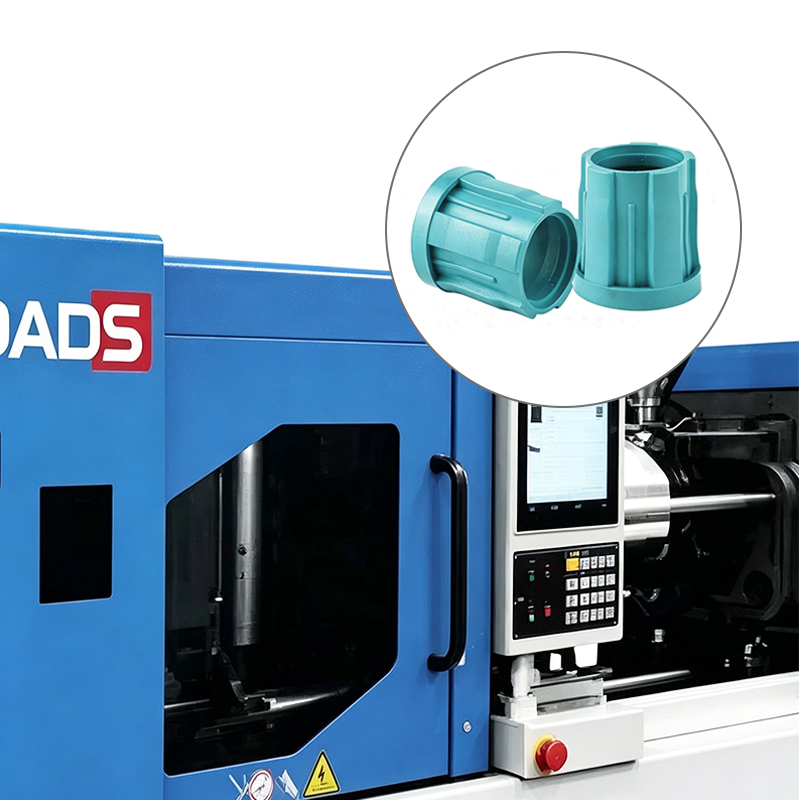
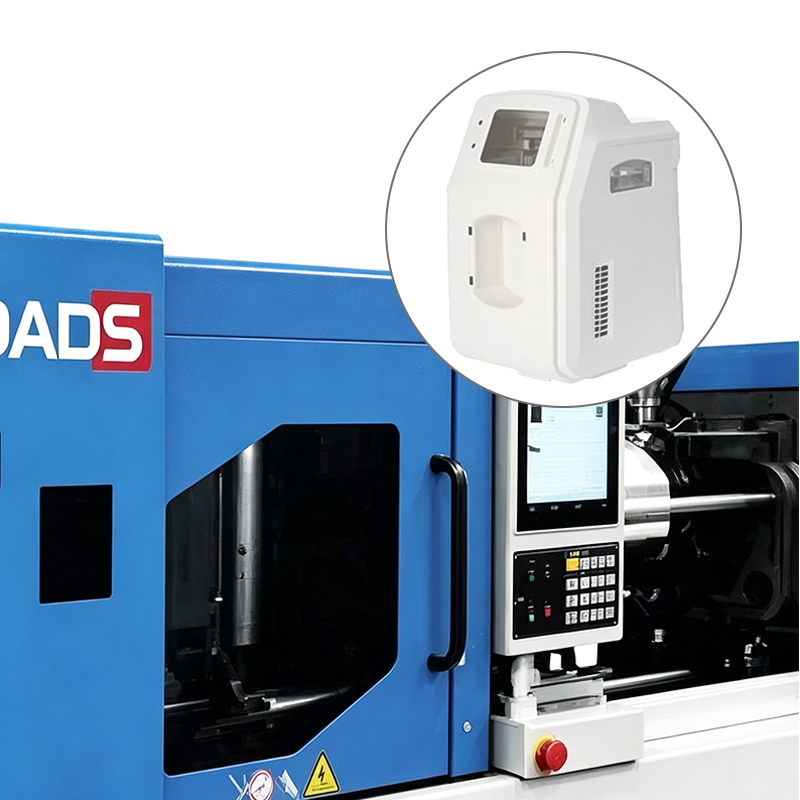
Mirror polishing of injection mold refers to a process of progressive grinding and polishing to achieve a mirror finish on the mold cavity surface. It enables molded parts to feature a smooth appearance, easy demolding and extended service life.
1. Purposes and Functions
- Improve the appearance quality of injection molded parts: Mirror molds can directly produce transparent or high-gloss parts in one molding step without subsequent surface finishing.
- Reduce demolding resistance: The ultra-smooth surface lowers friction and adhesion between plastic parts and the mold.
- Prolong mold service life: Minimize material residue and surface wear of the mold.
2. Process Flow
Rough Grinding
Adopt coarse sandpaper (240~400 grit) or silicon carbide grinding wheels to remove deep machining scratches and weld marks.
Medium Grinding
Gradually use 600~800 grit sandpaper to flatten most surface grooves and eliminate transitional grinding traces.
Fine Grinding
Apply 1000~1500 grit sandpaper to further refine surface texture and prepare for formal polishing.
Primary Polishing
Use felt polishing wheels with polishing compound for uniform polishing at medium and low speed.
Mirror Finishing Polishing
Switch to wool or cotton polishing wheels with ultra-fine polishing paste, perform final polishing under low speed and high pressure until the surface presents perfect mirror reflection.
3. Polishing Tools & Consumables
- Sandpaper / Abrasive cloth: 240, 400, 600, 800, 1000, 1500 grit
- Grinding wheels / Abrasive bits: Corundum grinding wheels, diamond grinding bits
- Polishing wheels: Felt wheel, leather wheel, wool wheel, cotton wheel
- Polishing compounds: Coarse, medium and fine grade alumina, chromium oxide and cerium oxide polishing paste
- Power tools: Angle grinder, polishing machine, portable micro polishing pen
- Auxiliary equipment: Ultrasonic cleaner, protective gloves, face mask, safety goggles